
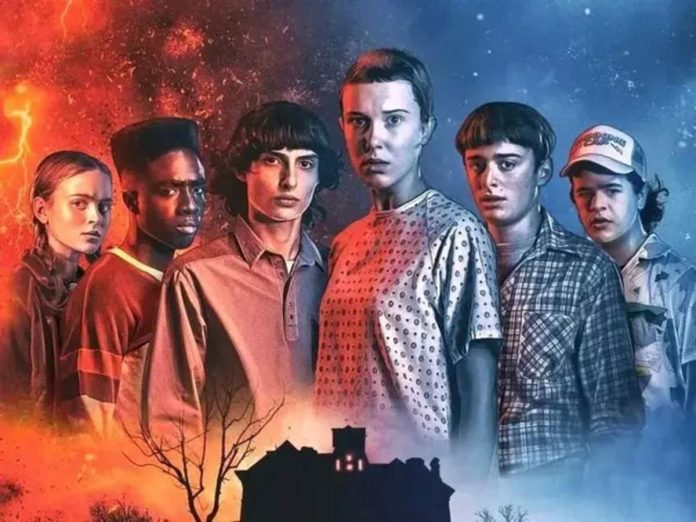
In the labyrinthine corridors of modern television, where narratives often dissipate into the ether of predictability, “Stranger Things” emerges as a beacon of storytelling brilliance, transcending its nostalgic roots to deliver an experience that is both electrifying and profound. This Netflix phenomenon, cloaked in the familiar veneer of 1980s pop culture, defies the gravitational pull of its genre, soaring into realms of unexpected depth and resonance. With each meticulously crafted season, the series not only satiates the appetite for supernatural intrigue but also delves into the intricacies of human connection, societal fears, and the inexorable passage of time. As we unravel the myriad ways in which “Stranger Things” surpasses expectations, we uncover a tapestry woven with innovation, emotional heft, and a masterful command of suspense, ensuring its place in the pantheon of television greatness.
Unveiling the Nostalgic Magic: How Stranger Things Captures 80s Essence
The allure of Stranger Things lies in its meticulous attention to the cultural and aesthetic nuances of the 1980s. The show does more than just set its story in the past; it actively engages with the era, pulling viewers into a world rich with nostalgia. From the synthesizer-heavy soundtrack that echoes through each episode to the authentic wardrobe choices reminiscent of a vintage Sears catalog, the series recreates the decade with a remarkable precision that resonates with both those who lived through it and those who are simply fascinated by it. It’s in the details, like the rotary phones and arcade games, that the show truly shines, offering an authentic glimpse into a time when technology was just beginning to transform everyday life.
- Music: The iconic beats of the 80s, featuring artists like The Clash and Kate Bush, not only set the mood but become integral to the plot.
- Visual Aesthetics: Bold colors, retro patterns, and the unmistakable glow of neon lights bring the decade to life on screen.
- Pop Culture References: Homages to beloved 80s films and TV shows are woven seamlessly into the narrative, creating a tapestry of familiar nostalgia.
By blending these elements, Stranger Things not only tells a compelling story but also crafts an immersive experience that transcends mere homage, making it a cultural phenomenon that bridges generations.
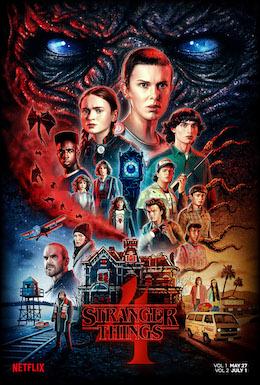
Masterful Storytelling: Balancing Supernatural Thrills and Heartfelt Drama
In the ever-expanding universe of television series, Stranger Things stands out by weaving a narrative that is both thrilling and emotionally resonant. The show brilliantly juxtaposes supernatural elements with heartfelt drama, creating a captivating experience that transcends the typical boundaries of the sci-fi genre. At the heart of its storytelling are the intricate relationships and personal growth of its characters, which resonate deeply with the audience. The creators have mastered the art of balancing edge-of-the-seat suspense with moments of genuine human connection, making each episode a rollercoaster of emotions.
- Character Development: Every character, from Eleven’s journey of self-discovery to Hopper’s transformation from a broken man to a loving father figure, is meticulously crafted to evoke empathy and understanding.
- Emotional Depth: The show doesn’t shy away from exploring themes of loss, friendship, and resilience, ensuring that the supernatural thrills are always grounded in real-world emotions.
- Narrative Complexity: The intertwining storylines and carefully layered plot twists keep viewers on their toes, while still allowing space for poignant moments that highlight the characters’ vulnerabilities.
With its ability to seamlessly integrate the fantastical with the relatable, Stranger Things delivers an experience that is both exhilarating and profoundly moving, proving that even in a world of Demogorgons and alternate dimensions, it’s the human stories that leave the most lasting impact.
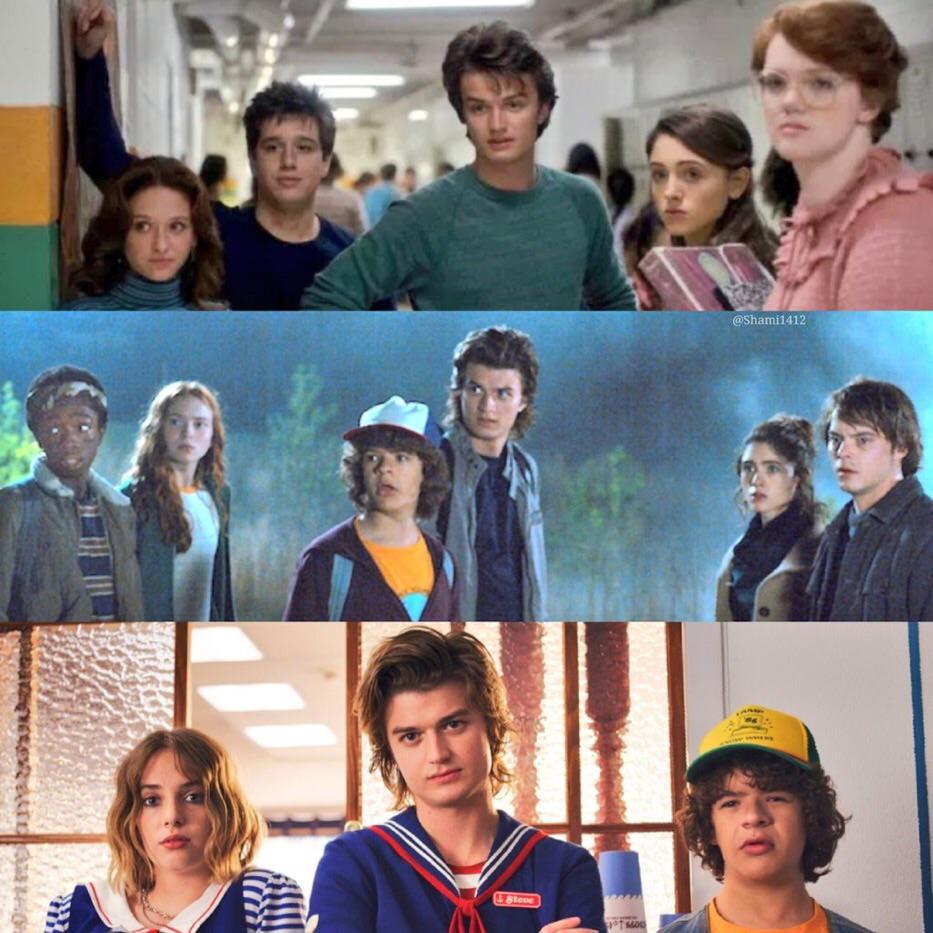
Character Development Excellence: Crafting Relatable and Complex Personas
In the labyrinthine narrative of Stranger Things, character development emerges as the show’s most formidable strength, offering audiences more than just nostalgic escapism. The creators masterfully construct each persona with layers that are gradually peeled back, revealing complexities that make them profoundly relatable. Eleven, for instance, transcends her initial role as a mysterious, supernatural enigma to become a poignant representation of identity and belonging. Her evolution from a voiceless experiment to a courageous young woman resonates with anyone who has ever felt out of place.
The series excels in giving even the supporting characters rich backstories and motivations that enhance their depth. Consider Jim Hopper, the gruff yet deeply compassionate sheriff, whose personal losses add a somber dimension to his protective instincts. Meanwhile, Steve Harrington’s journey from a stereotypical high school jock to a selfless, lovable hero subverts expectations, inviting viewers to reconsider their initial impressions. These intricately woven character arcs invite audiences to invest emotionally, ensuring that each narrative twist hits with significant impact.
- Eleven: Identity, belonging, resilience
- Jim Hopper: Loss, protection, compassion
- Steve Harrington: Growth, selflessness, heroism
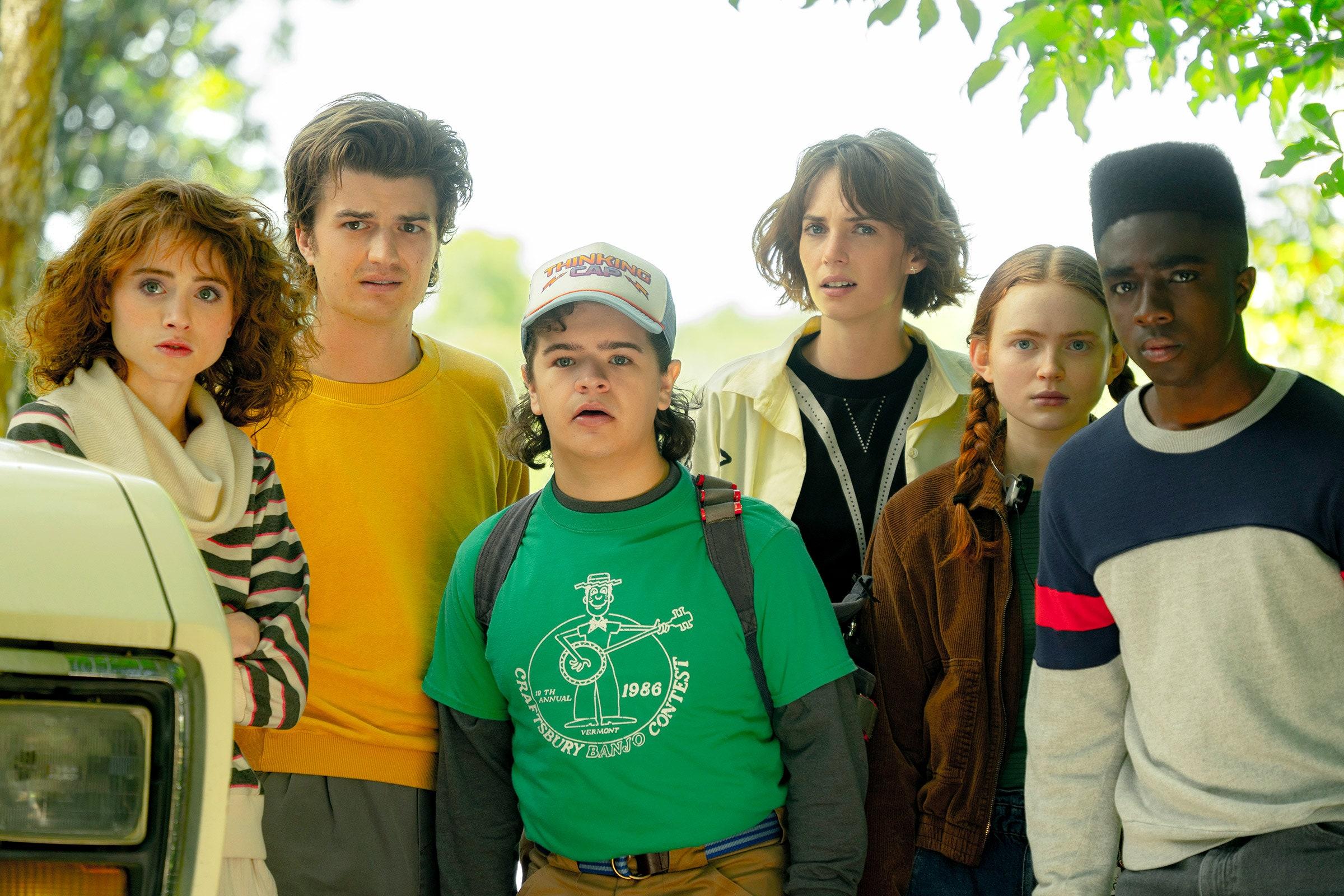
Harnessing the Power of Sound: The Role of Music and Sound Design in Immersion
The hauntingly nostalgic allure of Stranger Things is masterfully amplified by its intricate use of sound. The Duffer Brothers, alongside their talented sound design team, have meticulously crafted an auditory landscape that not only complements but elevates the visual storytelling. This is achieved through a blend of synthesized soundscapes and period-specific music that transports viewers to the heart of the 1980s, creating a fully immersive experience.
- Evocative Synthwave Score: The series’ iconic synthwave soundtrack, composed by Kyle Dixon and Michael Stein, channels the essence of the ’80s, evoking nostalgia while also serving as a narrative device.
- Diegetic Sound Integration: From the crackling of walkie-talkies to the eerie hum of fluorescent lights, the show’s attention to diegetic sound elements deepens the sense of realism and tension.
- Music as Emotional Catalyst: Carefully selected tracks from the era not only set the period tone but also underscore emotional beats, enriching character development and plot progression.
These sonic elements work in harmony to create a world where the audience is not just observing the events in Hawkins, but living them. By harnessing the power of sound, Stranger Things delivers a multi-dimensional narrative experience that resonates deeply with its audience.