

In the kaleidoscope of Hollywood’s storied history, a select few films stand as beacons of daring innovation and audacious storytelling, reshaping the cinematic landscape and defying the conventions of their time. These iconic masterpieces, once considered gambles, shattered expectations with their revolutionary narratives and groundbreaking techniques, leaving an indelible mark on the art of filmmaking. As we journey through the annals of cinema, we invite you to rediscover these extraordinary films that not only captivated audiences but also challenged the very fabric of Hollywood’s creative boundaries. Join us as we delve into the genius behind these timeless classics, exploring how they redefined genres, broke cultural barriers, and continue to inspire filmmakers and cinephiles alike.
Unveiling the Masterpieces: Films that Redefined Hollywoods Boundaries
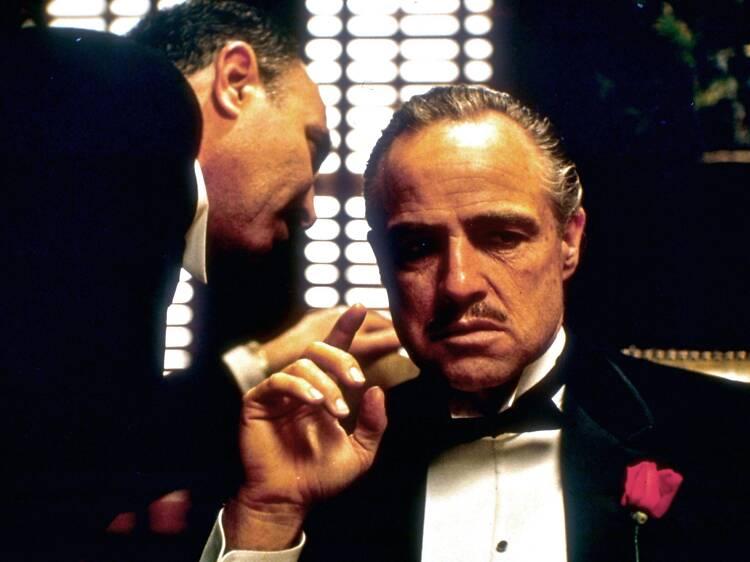
Hollywood has long been a beacon of cinematic innovation, but certain films have transcended conventional storytelling, reshaping the very fabric of the industry. These masterpieces not only captivated audiences but also pushed the boundaries of what was deemed possible in filmmaking. Here are some of the iconic films that broke the mold and set new standards:
- Citizen Kane (1941): Often hailed as the greatest film ever made, this Orson Welles classic introduced groundbreaking narrative techniques and a unique non-linear storyline that continues to influence filmmakers today.
- Pulp Fiction (1994): Quentin Tarantino’s magnum opus redefined the crime genre with its intertwining stories and sharp dialogue, setting a new bar for indie films entering mainstream cinema.
- The Matrix (1999): A revolutionary blend of philosophy and sci-fi, the Wachowskis’ visionary work not only showcased innovative special effects but also challenged viewers’ perceptions of reality itself.
- Black Panther (2018): Beyond its blockbuster success, this Marvel film marked a cultural milestone, celebrating African heritage and diversity while paving the way for future representation in superhero narratives.
These films did more than entertain; they challenged norms and redefined genres, proving that Hollywood is ever-evolving and capable of shattering its own expectations.
Inside the Minds of Visionaries: How Directors Transformed Cinematic Norms
When we think about groundbreaking directors who have transformed the landscape of cinema, we delve into a realm where creativity knows no bounds. These visionaries have not only challenged the norms but have redefined what cinema could be. Stanley Kubrick, for instance, turned the sci-fi genre on its head with 2001: A Space Odyssey, merging profound philosophical questions with revolutionary special effects. Alfred Hitchcock masterfully wove suspense and psychological depth into every frame, forever altering the thriller genre. Their work is a testament to how bold storytelling and innovative techniques can transcend traditional filmmaking.
- Innovative Storytelling: Directors like Quentin Tarantino and Christopher Nolan have broken linear narrative structures, offering audiences a fresh perspective on storytelling.
- Technological Advancements: James Cameron’s pioneering use of CGI in Avatar pushed the boundaries of visual effects, creating immersive worlds previously unimaginable.
- Genre Fusion: Directors such as Guillermo del Toro have seamlessly blended fantasy with reality, crafting films that are both visually stunning and emotionally resonant.
By fearlessly exploring new territories, these directors have not only captivated audiences but also paved the way for future filmmakers to explore the uncharted waters of cinematic innovation.
Unconventional Storytelling: The Art of Surpassing Audience Expectations
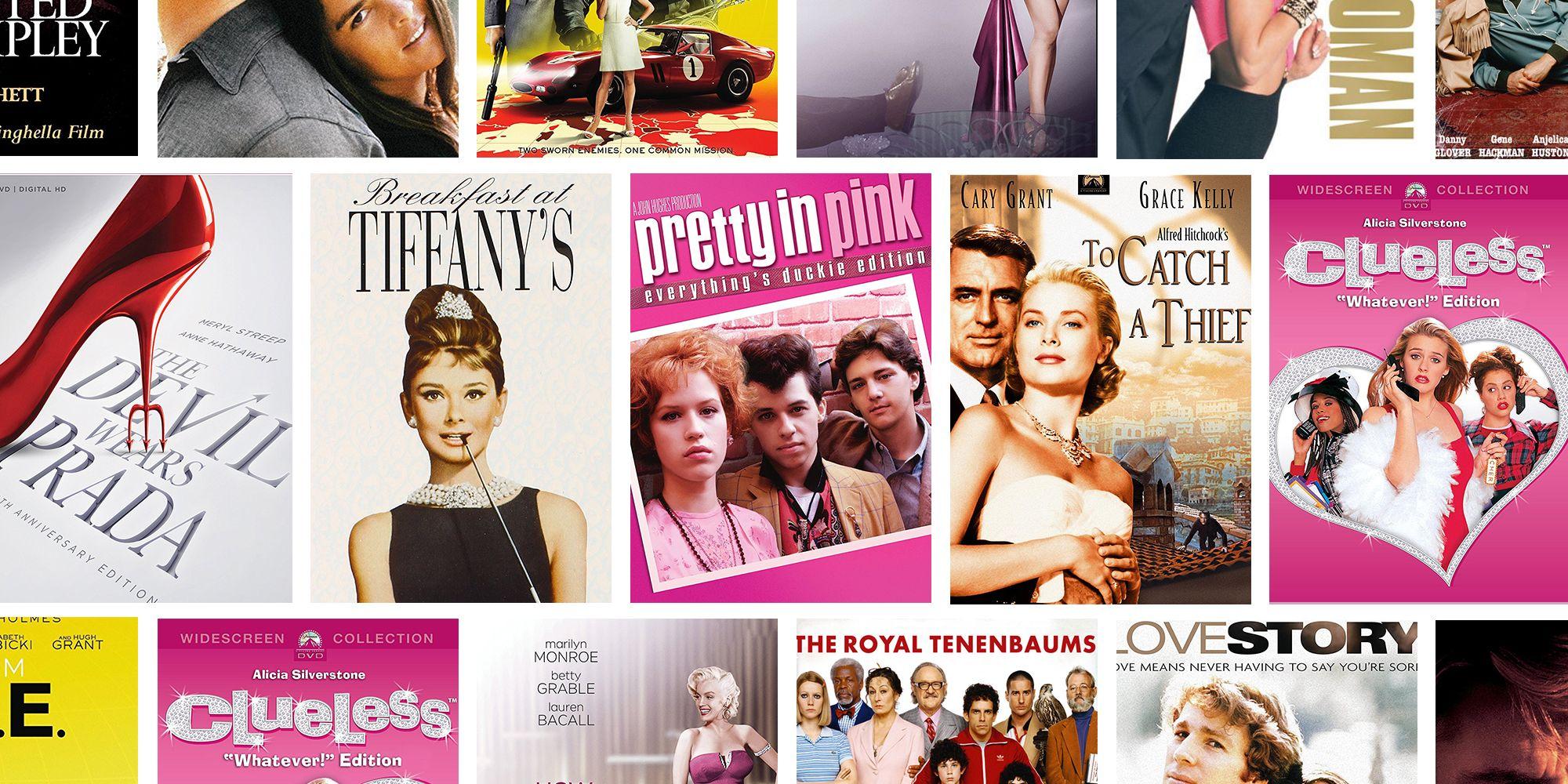
In the vast realm of Hollywood, a select few films have not only challenged the norms but have transcended them, leaving audiences astounded and redefining the boundaries of storytelling. These cinematic masterpieces dared to break free from conventional narrative structures, introducing elements that were once deemed risky or unorthodox. “Pulp Fiction” with its non-linear storyline, “Memento” and its reverse chronology, and “Eternal Sunshine of the Spotless Mind” with its mind-bending exploration of memory—each of these films dared to ask, “What if?” and in doing so, they crafted a narrative experience that was both unexpected and unforgettable.
- Character Development: These films often feature multi-dimensional characters whose arcs defy traditional trajectories.
- Non-Linear Narratives: Stories unfold in a fragmented or non-sequential manner, keeping the audience engaged and guessing.
- Genre-Blending: By merging elements from different genres, these films create a unique viewing experience.
- Innovative Visuals: Use of groundbreaking cinematography and visual effects that enhance the storytelling.
Such films have set a new benchmark in cinematic creativity, proving that when it comes to storytelling, there are no limits. By surpassing audience expectations, they have not only entertained but also inspired a new generation of filmmakers to dream beyond the conventional.
Must-Watch Classics: Recommendations for the Discerning Film Enthusiast
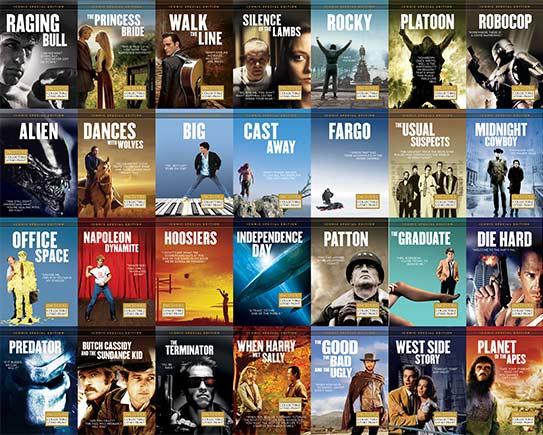
For the true film aficionado, delving into the realm of cinema’s timeless masterpieces is akin to embarking on a journey through Hollywood’s rich tapestry of storytelling. These iconic films not only broke new ground but also redefined the landscape of the film industry, leaving an indelible mark on audiences and filmmakers alike. Here are some must-watch classics that continue to captivate and inspire:
- Citizen Kane (1941): Often hailed as the greatest film ever made, Orson Welles’ magnum opus shattered conventional storytelling with its innovative narrative structure and groundbreaking cinematography.
- Casablanca (1942): A tale of love and sacrifice set against the backdrop of World War II, this film is celebrated for its memorable lines, unforgettable characters, and its masterful blending of romance and drama.
- Vertigo (1958): Alfred Hitchcock’s psychological thriller pushes the boundaries of the genre, with its complex exploration of obsession and identity, enhanced by Bernard Herrmann’s haunting score.
- 2001: A Space Odyssey (1968): Stanley Kubrick’s visionary epic redefined science fiction, with its stunning visual effects and philosophical narrative that challenges the very essence of humanity.
- The Godfather (1972): A cornerstone of American cinema, Francis Ford Coppola’s masterpiece offers an unparalleled look into the world of organized crime, rich with compelling characters and unforgettable dialogue.
These films are not merely relics of the past; they are vital pieces of cinematic history that continue to influence modern storytelling and filmmaking. By revisiting these classics, you not only pay homage to the art form but also enrich your understanding of the medium’s potential to move and transform.