In the grand tapestry of cinematic history, certain films stand as luminous threads, weaving innovation and audacity into the very fabric of storytelling. These are the iconic masterpieces that dared to defy conventions, shatter expectations, and forge new paths in the film world. As we embark on a journey to rediscover these groundbreaking works, we invite you to step beyond the familiar and explore the daring artistry that has forever altered the landscape of cinema. With an authoritative lens, we delve into the narratives, techniques, and visionary minds that have transcended boundaries, challenging the status quo and inviting audiences to see the world through a fresh, unfiltered lens. Join us as we celebrate the films that not only entertained but also revolutionized the art of filmmaking, leaving an indelible mark on both the industry and the hearts of viewers around the globe.
Exploring Cinematic Trailblazers that Redefined Storytelling
In the realm of cinema, certain films stand as monumental achievements, reshaping the landscape of storytelling and pushing the boundaries of what can be conveyed on screen. These cinematic trailblazers are not just films; they are revolutionary movements in the art of filmmaking. “Citizen Kane” by Orson Welles introduced non-linear narratives and deep focus shots, challenging audiences to engage with the story on multiple levels. Similarly, “Pulp Fiction” by Quentin Tarantino redefined genre conventions with its fragmented narrative and witty dialogue, blending dark humor with intense drama to create an unforgettable cinematic experience.
- Innovative Techniques: Films like “The Matrix” introduced bullet-time photography, blending martial arts with sci-fi in a way never seen before.
- Genre Fusion: “Get Out” combined horror with social commentary, offering a fresh perspective on race relations and societal fears.
- Visual Mastery: The breathtaking cinematography in “Blade Runner” set new standards for visual storytelling, influencing countless filmmakers in its wake.
These films and others like them have not only entertained audiences but have also paved the way for new narratives, inspiring generations of filmmakers to explore and innovate. As we revisit these iconic works, we are reminded of their enduring impact and the limitless possibilities of cinematic storytelling.
Pioneering Visual Effects: A New Era of Movie Magic
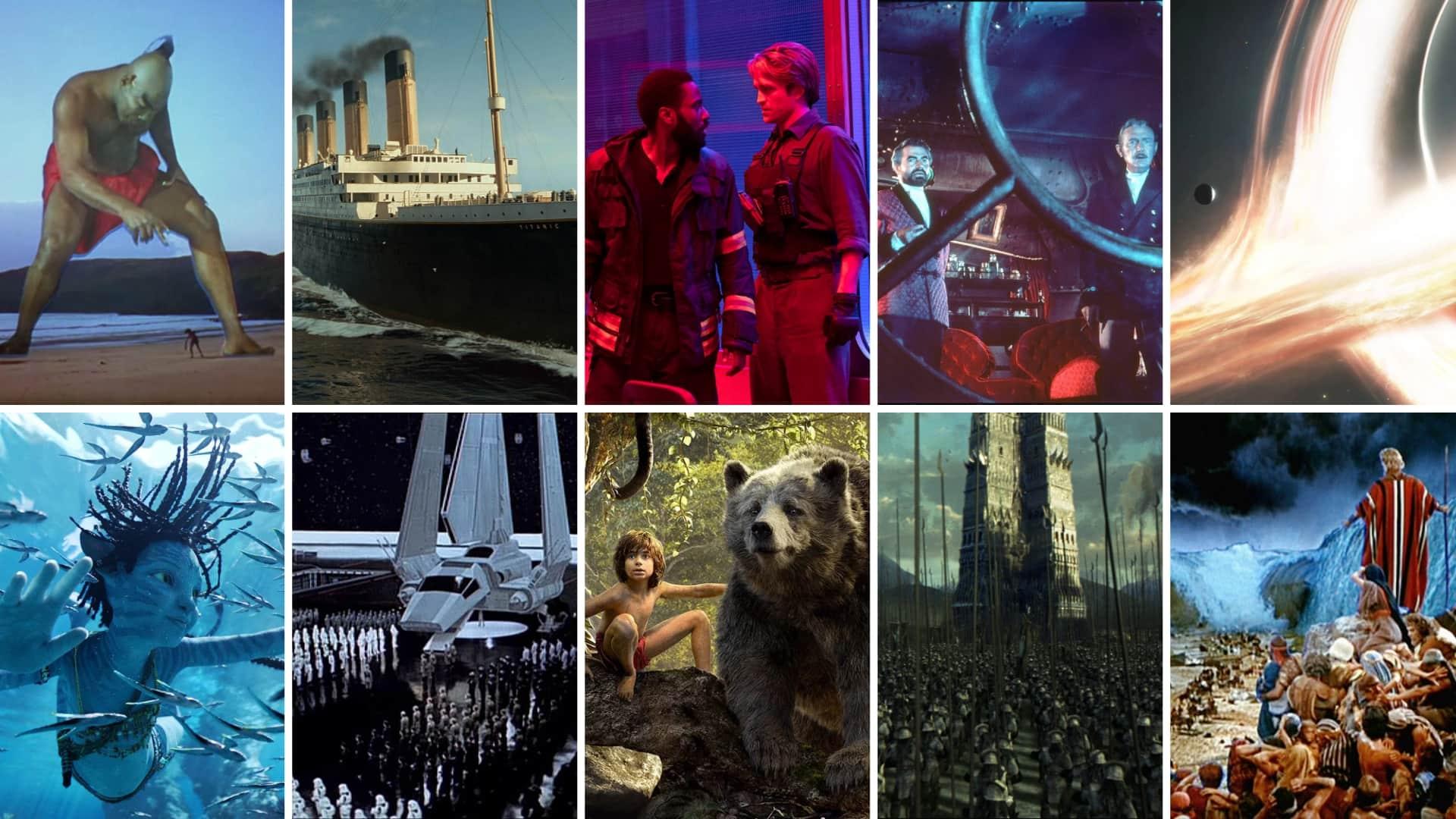
Throughout the history of cinema, certain films have stood as milestones, redefining what was possible on the silver screen and reshaping the future of filmmaking. “Metropolis” (1927), with its groundbreaking use of miniatures and special effects, offered a glimpse into a dystopian future that has influenced countless filmmakers. Then came “2001: A Space Odyssey” (1968), a film that not only elevated the sci-fi genre but also showcased the power of practical effects and meticulous attention to detail in creating a breathtakingly realistic depiction of space travel.
- “Star Wars” (1977): Introduced audiences to a galaxy far, far away with its pioneering use of motion control photography and complex model work.
- “Jurassic Park” (1993): Revolutionized the industry with its seamless integration of CGI and animatronics, bringing dinosaurs to life like never before.
- “The Matrix” (1999): Changed the landscape of action films with its innovative “bullet time” effect and sophisticated wirework.
These films, among others, have not only captivated audiences but also pushed the boundaries of visual storytelling, setting new standards and inspiring a new generation of filmmakers to explore the limitless possibilities of visual effects. The legacy of these cinematic trailblazers is evident in the continued evolution and sophistication of movie magic today.
The Power of Unconventional Narratives in Cult Classics
In the realm of cinema, few things captivate audiences more than unconventional narratives that defy traditional storytelling. These narratives often become the hallmark of cult classics, films that challenge viewers’ perceptions and linger in the cultural consciousness long after their release. The allure of these movies lies in their ability to break free from the formulaic structures of mainstream cinema, offering fresh perspectives and unexpected plot developments. Through non-linear timelines, ambiguous endings, and complex character arcs, these films invite audiences to engage in a deeper, more reflective viewing experience.
- Non-linear Timelines: Films like “Pulp Fiction” and “Memento” play with chronology, weaving stories that unfold in a fragmented yet compelling manner.
- Ambiguous Endings: Movies such as “Donnie Darko” and “Mulholland Drive” leave audiences pondering their true meanings, encouraging endless discussion and interpretation.
- Complex Character Arcs: Characters in films like “A Clockwork Orange” and “Fight Club” challenge conventional morality, inviting viewers to explore the darker aspects of human nature.
These unconventional narratives are not merely artistic experiments; they are powerful tools that filmmakers use to push boundaries and provoke thought. By embracing the unexpected, cult classics continue to inspire and influence both filmmakers and audiences, proving that the magic of cinema often lies in its ability to surprise and subvert.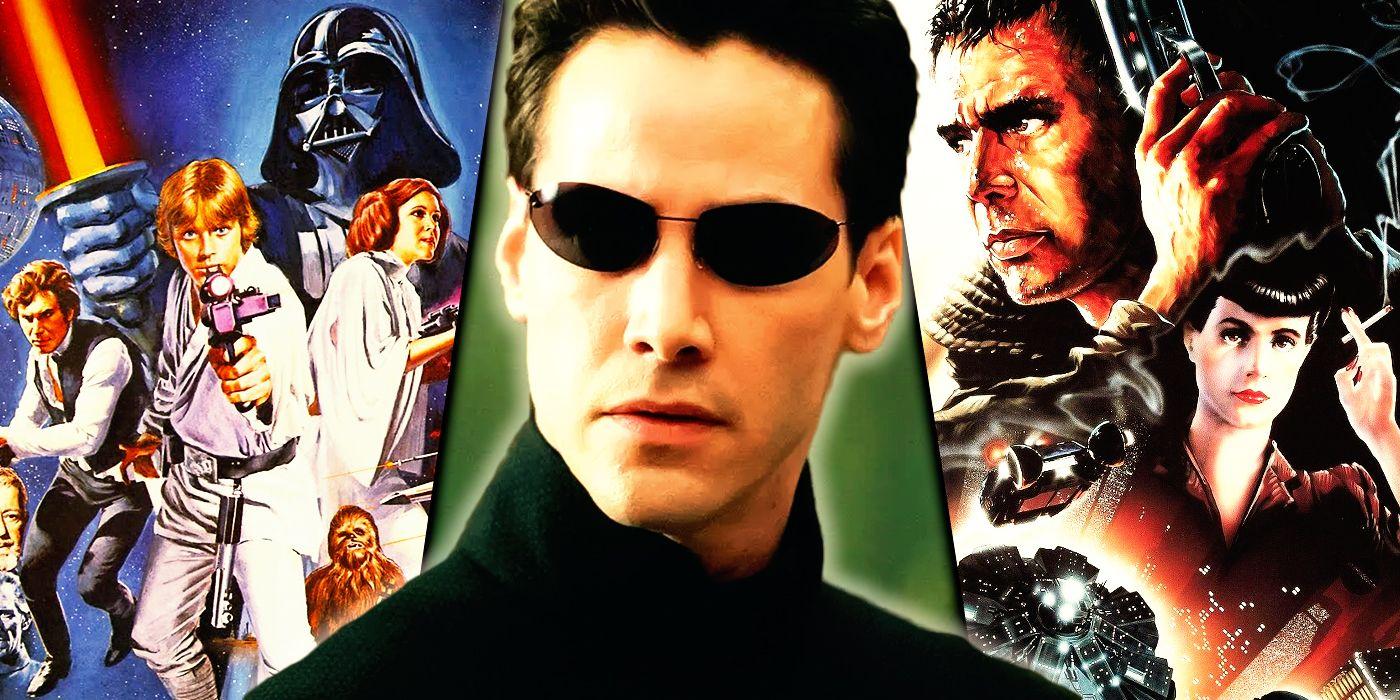
Timeless Performances: Actors Who Shattered Stereotypes
In the tapestry of cinema, some performances stand out not just for their brilliance but for their audacity in defying norms. Sidney Poitier, with his groundbreaking role in “Guess Who’s Coming to Dinner,” shattered racial barriers, presenting a powerful narrative that challenged the status quo of its time. His portrayal was not just a character but a beacon of change, inspiring countless others to see beyond the superficial.
Similarly, Charlize Theron in “Monster” redefined the boundaries of beauty and strength, immersing herself into a role that was both raw and transformative. Her dedication to authenticity was a stark reminder of the profound power of performance. These actors, among others, remind us that cinema is not just about entertainment; it’s about redefining perspectives and breaking boundaries.
- Sidney Poitier – “Guess Who’s Coming to Dinner”
- Charlize Theron – “Monster”
- Heath Ledger – “Brokeback Mountain”
- Robin Williams – “Dead Poets Society”