
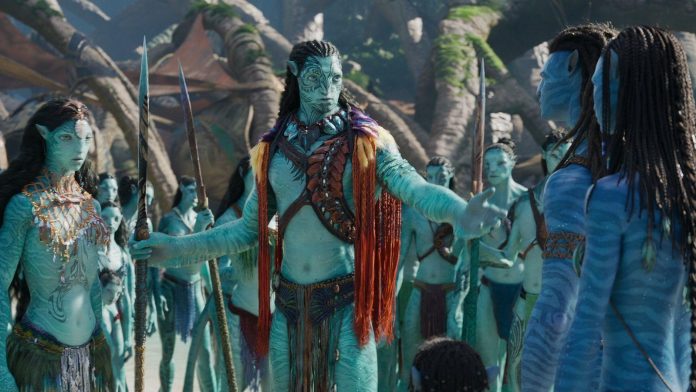
In the ever-evolving tapestry of cinematic achievement, few films have managed to weave a narrative as visually arresting and emotionally resonant as “Avatar: The Way of Water.” Directed by the visionary James Cameron, this sequel not only expands the mythical world of Pandora but also redefines the boundaries of storytelling and technological prowess. As we delve into the depths of this masterpiece, it becomes evident that Cameron has harnessed his unparalleled expertise to elevate the film beyond the ordinary. In this exploration, we unveil five distinctive elements that set “Avatar: The Way of Water” apart from its contemporaries, showcasing how it triumphs in areas where others merely tread water. Prepare to embark on a journey that celebrates the artistry, innovation, and emotive power that only a film of this caliber can deliver.
Visual Mastery and Spectacle that Transcend Expectations
In a cinematic landscape saturated with visual effects, “Avatar: The Way of Water” stands as a beacon of innovation and artistic finesse. James Cameron’s sequel transcends traditional visual storytelling by weaving a tapestry of breathtaking imagery that immerses audiences in a world both alien and familiar. The film’s visual mastery lies not just in its technological prowess, but in its ability to evoke emotion and wonder, inviting viewers to lose themselves in the vibrant ecosystems of Pandora.
Key elements that elevate its spectacle include:
- Advanced Motion Capture: The sequel pioneers new levels of performance capture, allowing actors to convey intricate emotions through digital avatars with unprecedented authenticity.
- Underwater Cinematography: Groundbreaking underwater filming techniques transport audiences to the oceanic realms of Pandora, capturing the fluid dynamics of marine life in a way that feels both magical and real.
- Bioluminescent Landscapes: The film’s vivid portrayal of Pandora’s glowing flora and fauna creates a mesmerizing, otherworldly experience that few films can replicate.
With each frame crafted to perfection, “Avatar: The Way of Water” doesn’t just push the boundaries of visual effects; it redefines them, setting a new benchmark for what cinematic spectacle can achieve.
Environmental Storytelling with Depth and Resonance

- Richly Layered Environments: In “Avatar: The Way of Water,” the setting is not just a backdrop but a living, breathing entity that interacts with the characters and audience alike. The lush and vibrant ecosystems of Pandora are intricately detailed, allowing viewers to immerse themselves fully into the world. This film takes environmental storytelling to new heights, crafting every element—from the shimmering waters to the bioluminescent flora—with a purpose that extends beyond mere visual spectacle. The environments are infused with cultural and historical significance, giving them a profound resonance that echoes throughout the narrative.
- Interwoven Narratives of Nature and Culture: The film skillfully intertwines the natural world with the socio-cultural fabric of its characters, creating a narrative that is both deep and resonant. By exploring the symbiotic relationship between the Na’vi people and their environment, it highlights the essential role that nature plays in shaping identity and heritage. This connection is portrayed not just through dialogue but through the way characters interact with their surroundings, reinforcing the idea that the environment is a character in its own right, with stories and emotions as complex as those of its inhabitants.
Character Development that Evokes Genuine Emotion

One of the standout features of Avatar: The Way of Water is its masterful handling of character arcs, which truly resonate on an emotional level. Unlike many films that rely on surface-level traits or clichés, this sequel delves deep into the psychological and emotional landscapes of its characters. Jake Sully is no longer just a former Marine turned Na’vi warrior; he’s a father grappling with the burdens of leadership and legacy. Neytiri evolves beyond the fierce protector to reveal vulnerabilities and fears, especially concerning her family’s future. This layered approach allows the audience to connect on a personal level, seeing reflections of their own struggles and aspirations in the characters’ journeys.
Moreover, the film excels by weaving these character developments seamlessly into its narrative, making every decision and conflict feel both organic and inevitable. The emotional depth is enhanced by the immersive world-building, where the lush visuals of Pandora serve not just as a backdrop but as an integral part of the characters’ experiences and growth. Key elements that contribute to this emotional depth include:
- Interpersonal relationships that are tested and transformed under pressure.
- Internal conflicts that drive characters to confront their own beliefs and fears.
- Moments of vulnerability that reveal hidden strengths and weaknesses.
These elements are woven together with precision, creating a tapestry of emotions that not only enrich the characters but also captivate the audience, making their stories unforgettable.
Innovative Use of Technology to Enhance Narrative
One of the standout achievements of Avatar: The Way of Water is its masterful integration of cutting-edge technology to deepen and enrich its storytelling. James Cameron has pushed the boundaries of cinematic technology, weaving it seamlessly into the narrative fabric of the film. This isn’t merely about dazzling visuals—it’s about crafting an immersive experience that serves the story. Here are some ways this film sets a new benchmark:
- Real-time Performance Capture: The film utilizes advanced motion capture techniques that allow actors to perform underwater, capturing their authentic movements and expressions. This technology adds a layer of realism to the characters, making their underwater interactions feel genuine and emotionally resonant.
- Dynamic World-Building: With the use of high-definition 3D imaging and virtual reality tools, the film creates a living, breathing world. The environments are not just backdrops but integral elements that interact dynamically with the characters, enhancing the narrative’s depth and complexity.