

In the ever-evolving landscape of Hollywood, where cutting-edge technology and groundbreaking storytelling push the boundaries of cinema, there lies an enduring treasure trove of classic films whose influence resonates through the corridors of time. These masterpieces, forged in the golden eras of filmmaking, continue to cast their spell on contemporary directors, writers, and actors, shaping the very essence of modern storytelling. As we embark on a journey to rediscover these timeless gems, we delve into the artistry and innovation that have left an indelible mark on Hollywood’s canvas. From the haunting shadows of film noir to the sweeping epics of yesteryear, these classics are more than mere relics of the past; they are the foundational pillars upon which today’s cinematic wonders stand. Join us as we explore the enduring legacy of these iconic films, and uncover the secrets of their lasting impact on the art of filmmaking.
Timeless Treasures: Unveiling the Golden Eras Cinematic Masterpieces

The allure of classic cinema lies not only in its ability to entertain but also in its profound influence on contemporary filmmaking. Iconic films from the golden eras of Hollywood continue to shape narratives, character archetypes, and visual storytelling techniques. From the suspenseful brilliance of Alfred Hitchcock to the whimsical fantasy of Walt Disney, these cinematic masterpieces have laid the foundation for modern-day directors and writers to build upon. They have not only set standards but have also offered a timeless blueprint for cinematic innovation.
- Storytelling Techniques: The intricate plots and character development found in classic films have inspired countless scripts, encouraging filmmakers to delve deeper into the human psyche and explore complex narratives.
- Visual Aesthetics: The use of lighting, set design, and cinematography from films like “Casablanca” and “Gone with the Wind” have become quintessential elements in creating the visual language of cinema.
- Iconic Characters: Timeless figures such as Scarlett O’Hara and Rick Blaine continue to influence character creation, offering a template for depth, conflict, and charisma.
By revisiting these legendary films, we not only pay homage to the artistic visionaries of the past but also gain insights into the enduring elements that make stories resonate across generations. Their legacy is a testament to the power of film as an ever-evolving art form.
The Art of Storytelling: Classic Films That Shaped Modern Narratives
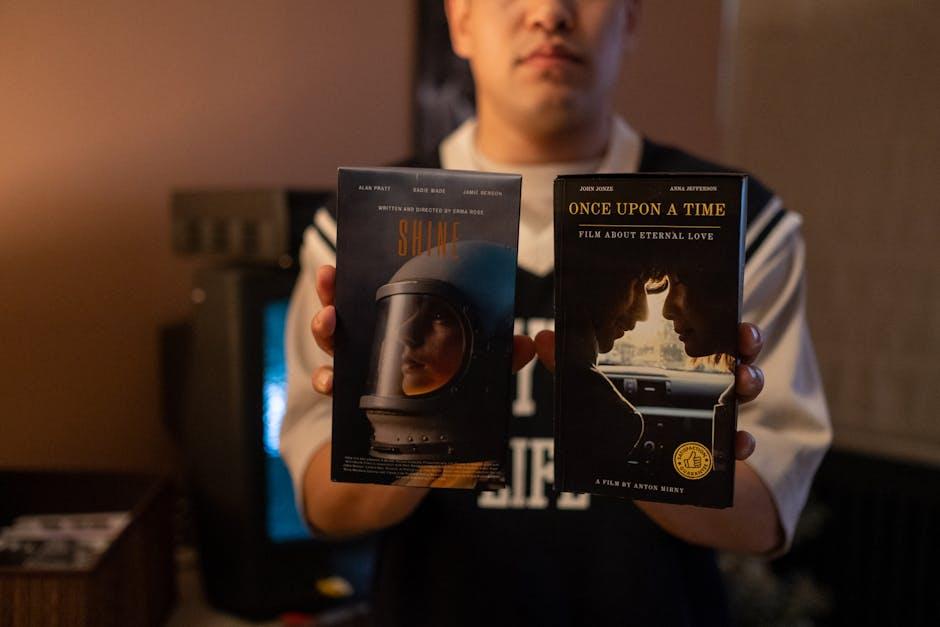
Classic films have long served as the bedrock of cinematic storytelling, laying the foundation for the rich narratives that captivate audiences today. These timeless masterpieces introduced innovative techniques and narrative structures that continue to inspire modern filmmakers. From the hauntingly atmospheric “Citizen Kane” to the emotionally resonant “Casablanca,” these films have set the standards for what makes a story unforgettable. Their influence can be seen in the way contemporary directors weave complex plots and develop multi-dimensional characters.
- “Citizen Kane” (1941) – Known for its groundbreaking use of deep focus and non-linear storytelling, this film redefined the way stories are told on screen.
- “Casablanca” (1942) – A perfect blend of romance and drama, its iconic dialogue and memorable characters have left an indelible mark on Hollywood.
- “Psycho” (1960) – Alfred Hitchcock’s masterpiece of suspense and horror, pioneering techniques that have become staples in the genre.
These films are not just relics of the past but continue to be vital to the evolution of cinematic art. Their enduring legacy serves as a testament to the power of storytelling, reminding us that a well-crafted narrative can transcend time and culture.
Icons of Innovation: Techniques from Yesteryear that Define Todays Cinema
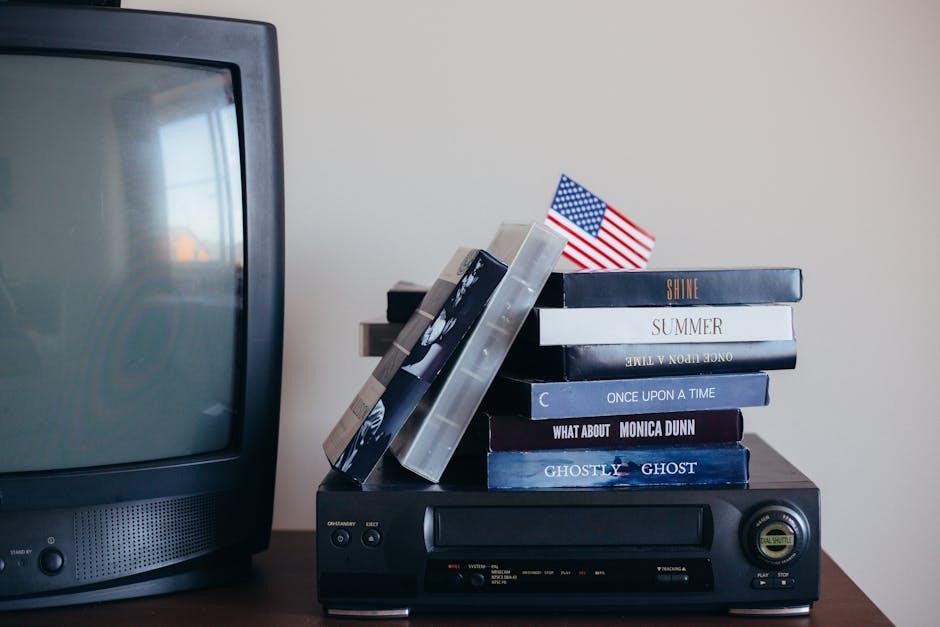
Hollywood’s golden age laid the groundwork for contemporary cinema, with pioneering techniques that continue to shape the industry. From Hitchcock’s suspense-building camera angles to the vibrant Technicolor used in “The Wizard of Oz,” these films introduced visual storytelling methods that remain influential today. The innovative use of montage sequences in “Battleship Potemkin” not only redefined narrative pacing but also inspired directors like Scorsese and Tarantino. Classic films have a treasure trove of techniques that modern filmmakers still explore and adapt.
- Practical Effects: Long before CGI, filmmakers used ingenious practical effects. Think of the rotating room in “Royal Wedding” or the epic chariot race in “Ben-Hur.”
- Sound Design: The eerie silence in “Psycho” and the dynamic use of sound in “Citizen Kane” showcased the power of audio in evoking emotion.
- Lighting Techniques: Noir films like “Double Indemnity” utilized chiaroscuro lighting, creating shadows that added depth and mystery to storytelling.
By revisiting these cinematic masterpieces, one can appreciate the artistry and innovation that laid the foundation for today’s visual spectacles. Their timeless techniques continue to inspire and challenge filmmakers, ensuring that the legacy of classic cinema endures.
Must-Watch Classics: Essential Films for Every Cinephiles Collection

Every cinephile knows that the roots of modern cinema are deeply entrenched in the masterpieces of the past. These timeless classics not only set the foundation for storytelling but also continue to shape and influence the films of today. As you build your collection, consider these must-watch films that have stood the test of time and continue to inspire filmmakers across the globe:
- Citizen Kane (1941) – Orson Welles’ magnum opus is often hailed as the greatest film ever made. Its innovative narrative structure and groundbreaking cinematography continue to be studied and emulated by directors worldwide.
- Casablanca (1942) – With its unforgettable lines and iconic performances, this romantic drama is a testament to the enduring power of love and sacrifice. Its influence can be seen in countless romantic films that followed.
- Psycho (1960) – Alfred Hitchcock’s masterful thriller revolutionized the horror genre with its psychological depth and shocking twists, laying the groundwork for modern horror and suspense.
- The Godfather (1972) – This epic saga of crime and family dynamics has become a cultural touchstone, influencing countless crime dramas with its rich storytelling and complex characters.
- 2001: A Space Odyssey (1968) – Stanley Kubrick’s visionary sci-fi film pushed the boundaries of special effects and philosophical storytelling, inspiring generations of filmmakers to explore the cosmic and the unknown.
These classics are more than just films; they are cinematic milestones that continue to inspire and challenge filmmakers and audiences alike. Whether you’re revisiting them or watching for the first time, these essential films deserve a place in every cinephile’s collection.